
FitnessAI: review, pricing and alternatives
What is FitnessAI? An Overview
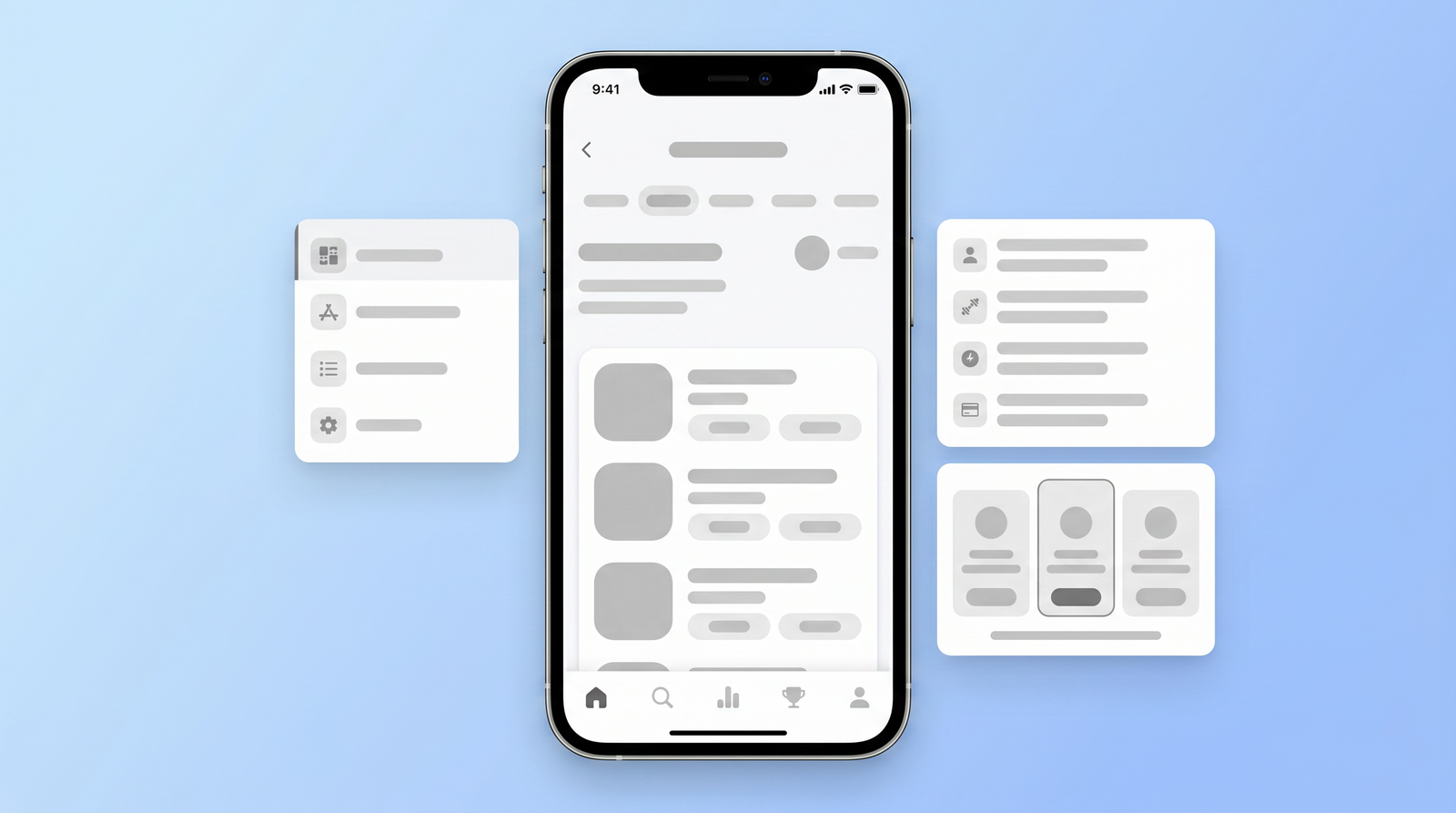
When I first heard about FitnessAI, I was intrigued by the promise of an AI-driven workout planner. In a sea of generic fitness apps, FitnessAI stands out by claiming to eliminate the guesswork from strength training, offering a truly personalized and adaptive experience. Its core purpose, as I understand it, is to provide a dynamic workout regimen that evolves with your progress, ensuring you never hit a plateau.
Launched in April 2019 by Jake Mor, FitnessAI didn't just appear out of thin air. It evolved from a previous app called Lift Log, leveraging a massive database of over 5 million real training sessions to build its unique algorithm. This foundation of extensive data is what underpins its intelligence, allowing it to generate routines that are not just random exercises but are scientifically optimized for muscle growth, fat loss, and strength gains.
Essentially, FitnessAI aims to be your personal trainer in your pocket, but one that is powered by millions of data points rather than a single individual's intuition. It's designed for anyone looking to build muscle, burn fat, or simply get stronger, offering a structured approach that adapts in real-time. The idea is to make progress predictable and consistent, taking away the mental load of planning your own workouts, which for many, including myself, can be a huge barrier to consistency.
Core Features: AI-Powered Training
What truly sets FitnessAI apart in my experience are its sophisticated AI-powered training features, which go far beyond simple workout logging. The cornerstone of the app is its **adaptive progressive overload** system. This isn't just about adding more weight every week; the AI monitors your performance during each set. If you're hitting your reps easily, it intelligently suggests bumping up the weight for the next session. Conversely, if you're struggling, it adjusts to prevent overtraining and burnout, ensuring continuous, sustainable progress.
The app excels at delivering **personalized workouts** that cater to your specific goals, whether that's building mass, getting toned, or losing weight. It takes into account the equipment you have available – be it a full gym setup or just free weights at home – and your schedule, offering sessions that can range from 5 to 30 minutes. This flexibility is a huge plus for busy individuals. Each workout is meticulously planned, determining the optimal sets, reps, and weight combinations based on its vast dataset of successful training sessions.
Beyond just telling you what to do, FitnessAI provides excellent **guided exercises**. For every movement, you'll find clear video demonstrations and muscle visuals that illustrate proper form. This is invaluable, especially for beginners or when encountering an unfamiliar exercise, helping to prevent injury and maximize effectiveness. The app also integrates robust **data tracking**, allowing you to log your strength gains, monitor body composition changes, and even sync with wearables like Apple Watch for automatic performance data. This continuous feedback loop is crucial, as the AI uses this data to refine your future workouts.
Another smart feature is **adaptive recovery**, where the AI monitors your overall performance and adjusts workout intensity if it detects signs of fatigue or overtraining. This helps maintain a balance between pushing hard and allowing for adequate recovery. The ability to easily swap exercises if a machine is occupied or unavailable at your gym further enhances the user experience, making the program practical for real-world gym environments.
User Experience: Getting Started and Daily Use
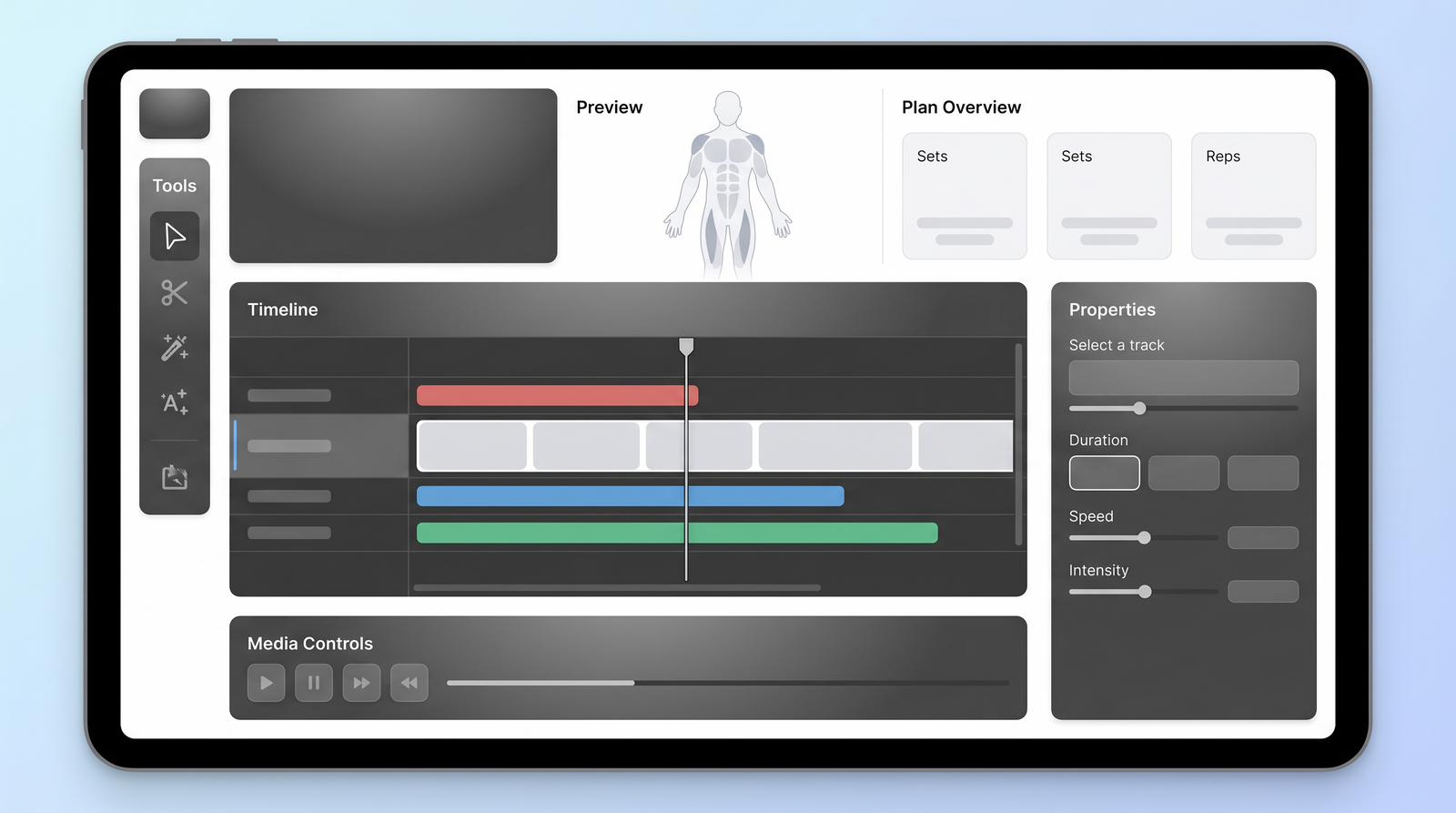
Getting started with FitnessAI is a relatively straightforward process, designed to quickly get you into your first AI-generated workout. When you first sign up, you'll input basic information like your height, weight, gender, and crucially, what equipment you have access to, whether it's a home gym or a commercial facility. You also specify your fitness goals, and from there, the AI begins to craft your personalized plan. I found this initial setup to be intuitive and quick, setting a good first impression.
Once your profile is established, the app takes over, generating daily or weekly workout plans. The beauty of it is that it tells you exactly what to do: specific exercises, sets, reps, and even tracks your rest periods. This completely eliminates decision fatigue, which is a massive benefit, especially on days when motivation might be low. Logging your progress during a workout is also quite simple; you just input the weights and reps you completed, and the app uses this data to inform future adjustments. Many users, myself included, appreciate how it streamlines what used to be a pen-and-paper task, making tracking much easier and more consistent.
Overall app navigation is generally praised for being simple and easy to understand. The layout is clean, and finding your current workout, historical data, or exercise demos is usually a breeze. However, my experience, and that of many other users, hasn't been entirely glitch-free. While the core functionality of workout generation and logging often works well, I've encountered instances where the app can be glitchy and freeze in between sets, which can be frustrating when you're trying to maintain flow in your workout. A recurring complaint, and one I've noticed myself, is with the 3D scanner feature. It might let you take an initial scan, but often you can't review it or take another one, making the feature essentially broken for many users. There have also been times when the suggested exercises didn't quite match the specific machines available at my gym, requiring manual adjustments or swaps, which slightly detracts from the seamless AI experience it aims to provide.
Pricing Structure and Value
When considering any premium fitness app, the pricing structure is always a key factor, and FitnessAI is no exception. It operates on a subscription model, which can appear a bit steep at first glance. Based on what I've seen and what's reported in app stores, the annual cost can vary quite a bit, ranging from around $39.99 to an eye-watering $129.99 per year, though a commonly cited price point is $89.99 annually. This variability can be a bit confusing, but it's worth noting that the company frequently offers significant discounts, sometimes up to 60% off, which makes the investment much more palatable. Always keep an eye out for these promotional offers before committing.
While there isn't a widely advertised free trial, the app often provides an initial period or a discounted rate for new users, which allows you to test the waters before diving into a full annual commitment. However, the exact terms of these offers can change, so it's best to check the current in-app promotions.
The real question, of course, is its value proposition, especially when compared to a human personal trainer. A human trainer can easily cost upwards of $50-$100 per session, making FitnessAI's annual fee, even at its higher end, a fraction of that cost. What FitnessAI offers is a data-driven, constantly adapting training plan that, in many ways, can be 'smarter' than a single human's intuition, given its access to millions of workout data points. It provides personalized programming, progressive overload, and guided exercises that you'd pay a premium for with a trainer.
For those who thrive on structured, progressive workouts and want to avoid the high cost and scheduling complexities of a human trainer, FitnessAI offers compelling value. It's an investment in consistent, optimized training that aims to deliver results by removing the guesswork and decision fatigue, effectively democratizing access to highly personalized strength programming.
| Plan | Price (Annual) | Best for |
|---|---|---|
| Annual Subscription (Typical) | $89.99 | Consistent users seeking long-term gains and cost efficiency. |
| Annual Subscription (Discounted) | $39.99 - $59.99 | New users or those catching promotional offers to maximize value. |
| Annual Subscription (Premium Tier) | $129.99 | Users seeking the most advanced features or supporting development (price variation observed). |
Performance and Reliability
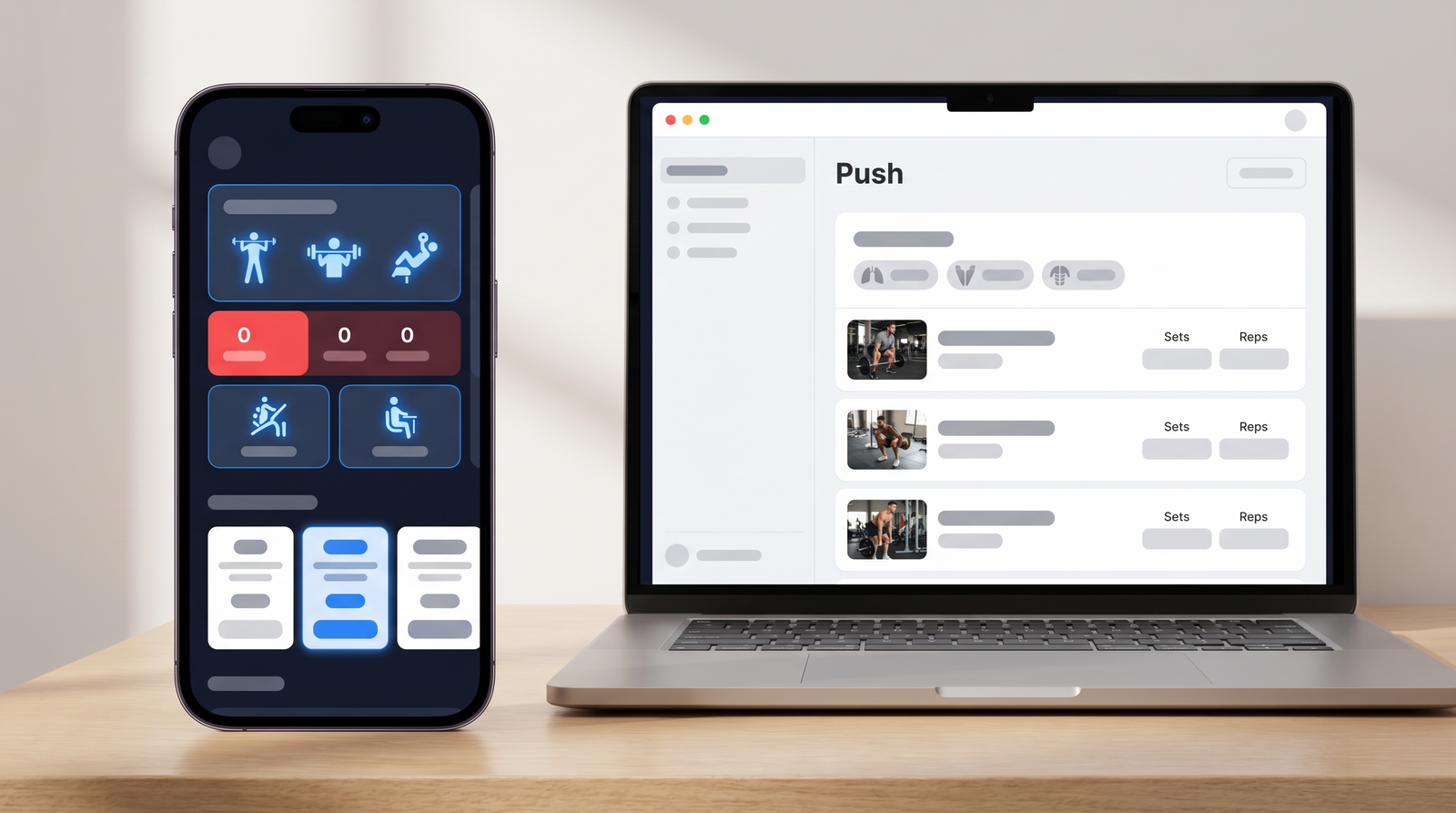
My experience with FitnessAI's performance and reliability has been a mixed bag, reflecting a sentiment echoed by many users in reviews. On one hand, when the app is working as intended, it's quite seamless. The core functionality of generating workouts, tracking reps and weights, and providing rest timers is often smooth and efficient. I've found it generally easy to navigate, with a clean interface that makes logging workouts less of a chore. Many users praise its effectiveness for logging stats and its simple layout, highlighting that it does what a weightlifting app is meant to do.
However, the app is not without its significant drawbacks in terms of stability. The most frequent complaints revolve around its technical glitches. I've personally encountered instances where the app becomes unresponsive or freezes mid-workout, forcing a restart. This can be incredibly disruptive, especially when you're in the middle of a set and trying to track your progress accurately. These freezing issues appear to be a recurring problem for a notable segment of the user base.
Perhaps the most consistently reported and frustrating bug is with the 3D scanner feature. It's often described as 'broken' – while it might allow you to initiate an initial scan, users, including myself, frequently report being unable to review the scan results or perform subsequent scans. This renders a potentially valuable feature completely unusable, which is a significant letdown. While the app is generally stable enough for its primary function of workout generation and tracking, these intermittent glitches and persistent bugs, particularly with the 3D scanner, do detract from the overall reliability and user confidence. It suggests that while the AI engine is powerful, the app's execution on the technical front could benefit from more polish and consistent bug fixes.
Pros of Using FitnessAI
After spending time with FitnessAI, several key advantages consistently stand out, making it a compelling option for many gym-goers. First and foremost is its **personalized adaptation**. Unlike static workout plans, FitnessAI genuinely adjusts based on your real-time performance. If I crush a set easily, it knows to bump up the weight or reps next time. If I'm struggling, it eases off, preventing me from burning out. This dynamic, data-driven approach is incredibly effective for consistent progressive overload and seeing tangible results.
Another huge benefit, particularly for busy individuals or those prone to analysis paralysis, is the complete **reduction of decision fatigue**. The app tells me exactly what to do, what weight to lift, how many reps, and even tracks my rest periods. There's no guessing, no wasted time trying to figure out my next move. This efficiency means I can get in, get my workout done, and get out, optimizing every minute I spend in the gym.
For beginners, FitnessAI offers excellent **beginner-friendly guidance**. The guided videos and muscle visuals for each exercise are incredibly helpful for learning proper form and understanding which muscles are being targeted. It essentially teaches you how to plan and execute effective workouts, empowering you with knowledge that typically comes from years of experience or expensive personal training. This makes strength training accessible and less intimidating for newcomers.
Finally, the app's ability to drive **effective progressive overload** is a major pro. Its algorithm, built on millions of workouts, ensures that your training is always challenging yet manageable, preventing plateaus and fostering continuous strength gains. This data-backed approach leads to predictable progress, helping users like myself see consistent improvements in strength and physique that might be hard to achieve with less structured or intuitive programs. The time efficiency it offers is also paramount, allowing for effective workouts even with limited gym time.
Cons and User Complaints
While FitnessAI offers some impressive features, my experience and a review of user feedback reveal several areas where the app falls short. The most significant drawback revolves around **technical issues**. Many users, including myself, have reported the app being glitchy and prone to freezing mid-workout. This interruption can be incredibly frustrating, breaking concentration and disrupting the flow of a session. A recurring and particularly annoying bug is with the 3D scanner feature, which often fails to work properly; it might allow an initial scan but then prevents users from reviewing it or conducting subsequent scans, rendering a potentially useful tool completely defunct.
Another point of contention for some users is the **potential cost**. While I believe it offers good value compared to a human trainer, the annual subscription fee, especially at its higher price points, can be perceived as expensive. This is a common complaint, particularly when compared to free or lower-cost alternatives, even if FitnessAI's AI-driven features are more advanced.
Finally, a practical issue that I've encountered, and seen others mention, is that the **exercises suggested by the AI don't always perfectly match the equipment available at specific gyms**. While the app does allow for exercise swaps, it can be a minor inconvenience when you're expecting a seamless, pre-planned experience. It means you might occasionally need to adjust on the fly, which slightly detracts from the 'no guesswork' promise. While the app aims to adapt to 'any equipment,' the reality in diverse gym environments can sometimes lead to minor mismatches, requiring a bit of user intervention.
Who is FitnessAI Best Suited For?
Based on my hands-on experience and the collective feedback, FitnessAI truly shines for a particular type of user. It's **best suited for individuals seeking structured strength training** who are tired of guessing what to do in the gym. If you appreciate a clear, progressive plan that tells you exactly what exercises to perform, how many sets and reps, and at what intensity, this app is designed for you. It takes the mental load out of program design, allowing you to focus purely on execution.
The app is also ideal for those who thrive on **data-driven progression**. If you're someone who loves to see your strength gains quantified and appreciates an algorithm optimizing your workouts based on your actual performance, FitnessAI's adaptive progressive overload system will resonate deeply. It's for users who want to leverage technology to ensure consistent, measurable improvements without hitting plateaus.
Furthermore, **beginners looking for guidance** will find FitnessAI incredibly helpful. The app's guided videos and muscle visuals demystify complex movements and teach proper form, essentially providing a virtual coach. It helps new lifters understand the 'why' behind their workouts and how to progress safely and effectively, making the gym a less intimidating place. It's a great stepping stone for those who want to learn how to structure their own workouts in the future.
Finally, FitnessAI is a fantastic solution for **users with limited gym time**. Its ability to optimize every minute, track rest periods, and generate efficient 5-30 minute sessions means you can get a high-quality workout even when your schedule is packed. For busy professionals or parents who need to maximize their time, the app's efficiency and clarity are invaluable. It's for anyone who wants to build muscle, get stronger, or lose fat through consistent, intelligent strength training without needing to hire an expensive personal trainer.
FitnessAI vs. Competitors
When discussing FitnessAI, it's almost impossible not to compare it with other prominent AI-powered workout apps, most notably Fitbod. Both apps operate on a similar fundamental premise: using artificial intelligence to generate personalized, adaptive workout routines. However, there are nuances in their approach and user experience that differentiate them.
Fitbod is widely considered one of the most popular AI workout apps, and for good reason. It also excels at providing tailored workouts based on available equipment, muscle recovery, and personal goals. FitnessAI, on the other hand, boasts its foundation on over 5 million real training sessions from its predecessor, Lift Log, claiming a deeply data-backed algorithm. This extensive dataset is often highlighted as its competitive edge, suggesting a highly refined and effective progressive overload system.
In terms of features, both offer guided exercises, track progress, and adapt to your performance. Where FitnessAI aims to shine is in its rigorous, data-driven progressive overload that explicitly adjusts weights and reps in real-time. Fitbod is also strong in this area, often praised for its muscle recovery tracking, ensuring you don't overtrain specific muscle groups. Pricing for both can be seen as a point of contention, with both requiring annual subscriptions that can feel expensive, though often mitigated by discounts. When you look at how it stacks up against alternatives on Top10k, you'll find that both aim to replace the need for a human trainer by providing intelligent, adaptive programming.
Ultimately, the choice often comes down to personal preference regarding interface, specific algorithm behavior, and how each app handles the inevitable glitches. While both aim for efficiency and personalized results, FitnessAI emphasizes its deep data foundation for predictable progress, whereas Fitbod often gets praise for its intuitive recovery tracking and broader exercise library.
The Verdict: Is FitnessAI Worth It?
After weighing its strengths against its weaknesses, my verdict on FitnessAI is nuanced but generally positive for its target audience. The app is a powerful tool for anyone serious about **structured strength training** and **data-driven progression**. Its ability to deliver truly personalized, adaptive workouts that eliminate decision fatigue and ensure consistent progressive overload is its strongest selling point. For beginners, the guided exercises and clear instructions are invaluable, making the intimidating world of weightlifting accessible. The time efficiency it offers is also a huge plus for busy individuals looking to maximize their gym time.
However, it's crucial to acknowledge the drawbacks. The persistent **technical glitches**, particularly the freezing and the non-functional 3D scanner, can be genuinely frustrating and disrupt the user experience. While the core workout generation and tracking often work well, these intermittent bugs can undermine confidence in the app's reliability. The **cost**, while a fraction of a human trainer's fee, can still be a barrier for some, even with frequent discounts. Additionally, the occasional mismatch between suggested exercises and available gym equipment requires a degree of flexibility from the user.
So, is FitnessAI worth it? For the right person – someone who prioritizes consistent, intelligent strength gains, wants to avoid the mental load of program design, and is willing to overlook or work around occasional technical hiccups – then yes, I believe it is a worthwhile investment. It offers a sophisticated, data-backed approach to fitness that can genuinely accelerate progress. If you're a beginner to intermediate lifter seeking a smart, adaptive coach in your pocket, and you're prepared for the possibility of a few bugs, FitnessAI can be an incredibly effective tool for achieving your fitness goals. If you demand a perfectly polished, bug-free experience above all else, you might find its current state a little frustrating.
Full profile and live ranking: https://top10k.com/ai/fitnessai
Published by

Meet Top10k Tools — a suite of online utilities packed with thousands of free online tools built to boost productivity.
It brings together SEO, file conversion, calculators, developer utilities, image editing, and productivity. All tools are free and browser-based, with no sign-up required to start.
The goal behind Top10k Tools is building 10,000 free mini tools people actually need.
For anyone who works online, there's likely a tool that fits. Jump in and start exploring.
Frequently asked questions
What is FitnessAI?
FitnessAI is an AI-powered workout planner launched in 2019 that provides personalized, adaptive strength training routines. It leverages a vast database of millions of real training sessions to create programs that evolve with your progress, aiming to eliminate guesswork and decision fatigue for users.
How much does FitnessAI cost?
FitnessAI operates on an annual subscription model, with prices typically ranging from $39.99 to $129.99 per year, often cited around $89.99. The company frequently offers significant discounts, so it's advisable to look for promotional offers before subscribing.
Is there a free version or trial for FitnessAI?
While there isn't a consistently advertised free trial, FitnessAI may offer initial periods or discounted rates for new users to experience the app. Specific trial availability can vary, so checking current in-app promotions is recommended.
How does FitnessAI personalize workouts?
FitnessAI personalizes workouts by adapting to your performance in real-time, adjusting weights and reps based on whether you're hitting sets easily or struggling. It also considers your fitness goals, available equipment, and schedule, building routines from its extensive database of successful training data.
What are the main drawbacks of FitnessAI?
The primary drawbacks of FitnessAI include recurring technical glitches such as app freezing during workouts and a non-functional 3D scanner feature. Some users also find the annual subscription cost potentially high, and occasionally, suggested exercises may not perfectly match available gym equipment.
How does FitnessAI compare to apps like Fitbod?
Both FitnessAI and Fitbod use AI for personalized, adaptive workouts and progressive overload. FitnessAI emphasizes its deep data foundation from millions of workouts, while Fitbod is often praised for its intuitive muscle recovery tracking and broader exercise library. The choice often comes down to specific algorithm preference and user interface.
Who is FitnessAI best suited for?
FitnessAI is best suited for individuals seeking structured, data-driven strength training, particularly beginners who need guidance on form and planning. It's also ideal for those with limited gym time who want efficient, optimized workouts, and anyone looking to reduce decision fatigue in their fitness routine.
Is FitnessAI worth the subscription fee?
For users who prioritize consistent, intelligent strength gains and want to eliminate workout guesswork, FitnessAI can be a worthwhile investment despite its technical quirks. Its personalized adaptation and progressive overload capabilities offer significant value compared to the cost of a human trainer, assuming one can tolerate occasional bugs.